Road Base Calculator
Project Dimensions
Material Settings
Estimated Tonnage
3.46
US Tons
Volume (Cubic Yards)
2.47
Total Area (Sq Ft)
200
Estimated Material Cost
$121.10
Planning a driveway, patio, or foundation? Our Road Base Calculator helps you estimate exactly how much gravel or crushed stone you need to order. By accounting for area, depth, and material density, you can avoid over-ordering and keep your project on budget.
Expert Tip: Standard road base compacts significantly. We recommend adding a 10% "waste factor" to your final tonnage to account for settling and spills during installation.
- Calculates both Volume and Weight
- Customizable material density
- Live project cost estimation
What is Road Base?
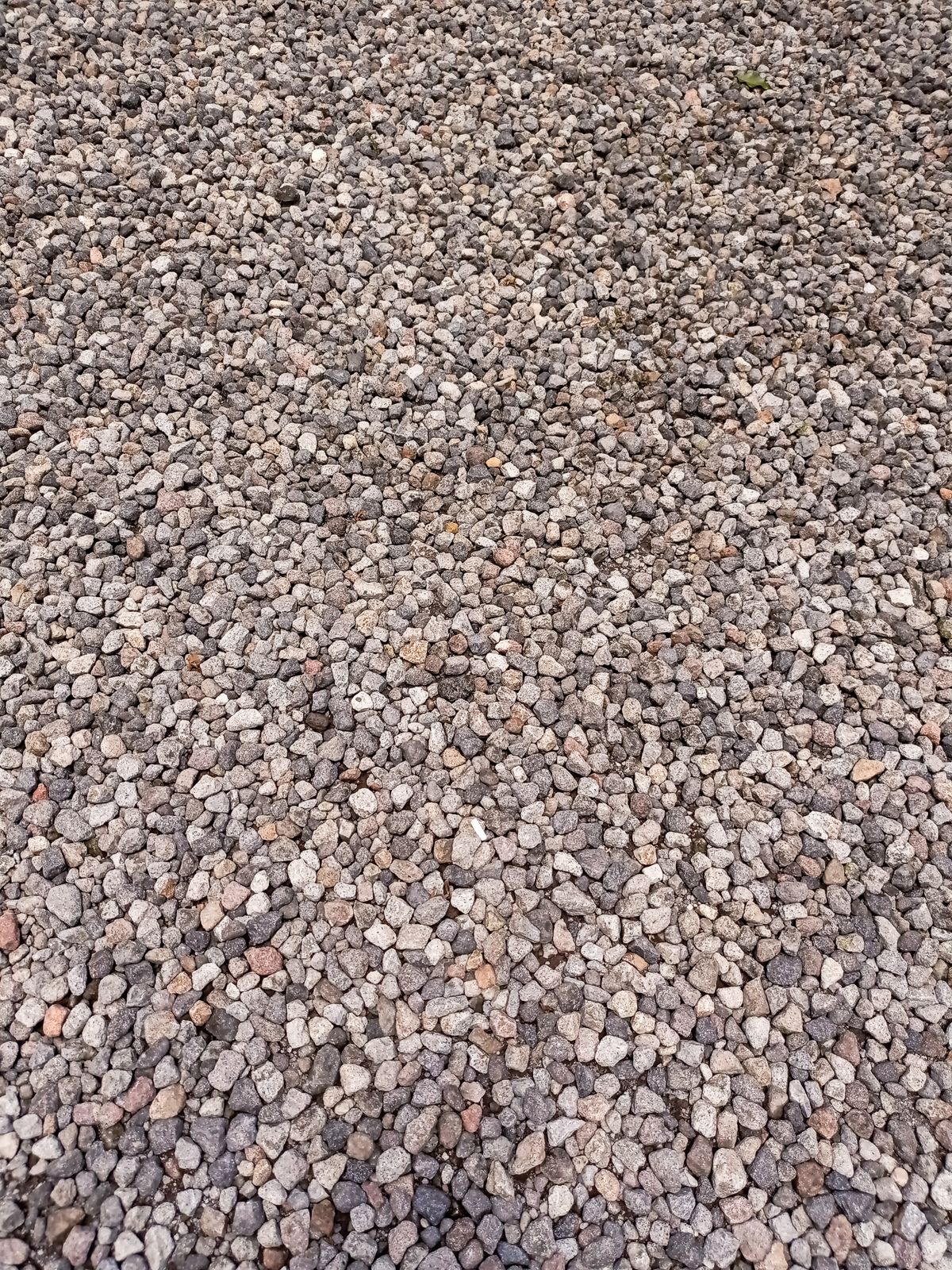
Road base, often called "crusher run," "ABC" (Aggregate Base Course), or "21A," is a specific mixture of crushed stone and rock dust designed to compact into a hard, stable surface. It serves as the critical foundation for asphalt roads, concrete driveways, and paver patios. The magic of road base lies in its gradation: the variety of particle sizes allows the smaller pieces to fill the voids between larger rocks, creating a dense, interlocking layer that resists shifting under heavy loads.
Without a properly calculated and installed base, the top layer of your project—whether it's pavers or asphalt—will eventually crack, sink, or buckle. Using a Road Base Calculator ensures you have enough material to achieve the structural integrity your project requires.
How to Calculate Road Base Tonnage
Calculating the amount of gravel needed involves three main steps: finding the volume, converting to yards, and then converting to weight.
- Calculate Cubic Feet: Multiply Length (ft) × Width (ft) × Depth (convert inches to feet by dividing by 12).
- Convert to Cubic Yards: Divide your total cubic feet by 27 (since there are 27 cubic feet in 1 cubic yard).
- Determine Tonnage: Multiply the cubic yards by the material's density. Most road base weighs roughly 1.4 tons per cubic yard.
Formula: [(L × W × (D/12)) / 27] × Density = Total Tons
Choosing the Right Depth
The depth of your road base is the single most important factor for longevity. If the base is too thin, it won't distribute weight effectively; if it's too thick, you're wasting money. Here are industry standards:
- Pedestrian Patios & Walkways: 4 inches of compacted road base.
- Residential Driveways: 6 to 8 inches for cars and light trucks.
- Heavy Traffic/Commercial: 10 to 12+ inches depending on soil conditions and vehicle weight.
Road Base FAQs
Does road base need to be wet when compacting?
Yes, road base should be slightly damp (often called "optimum moisture content") during compaction. The water acts as a lubricant, allowing particles to slide into place and lock together more effectively. Avoid making it muddy, which ruins the structural integrity.
How much does a cubic yard of road base weigh?
On average, a cubic yard of crushed road base weighs approximately 2,800 to 3,000 lbs (1.4 to 1.5 tons). Lightweight aggregates may be less, while dense granite mixtures can be more.
Can I use regular gravel instead of road base?
"Clean" gravel (gravel without dust/fines) does not compact well because there are no small particles to fill the gaps. For a stable foundation, you must use a graded aggregate that includes fines (road base).